
BUDDHA VOLUME I: KAPILAVASTU by Osamu Tezuka
- Puranjani Ghosh
- Sep 7, 2020
- 3 min read

Updated: Sep 11, 2020
Featuring: Manga Monday
This is an interesting treat for all those graphic novel and manga lovers out there! Osamu Tezuka aka the godfather of Japanese Graphic art has brought ancient India to life in this lavish eight part tale of the 'Enlightened One'.
In this book (part 1), we will come across various of Tezuka’s imagined characters who are common people with extraordinary powers intertwined with real characters, all surrounding the birth of Buddha (at least that’s volume one: Kapilavastu).
An Intro To The Concept Of Caste System: A pathetic ideology that existed from the time of 1500 B.C which divided people according to their occupations. Brahmins were the priests and the scholars, Kshatriyas were the kings and the rulers, the commoners like merchants and traders were the Vaishyas and finally the slaves who were called the Shudras. With time, this distinction took the shape of discrimination and ill treatment as power lay only in the hands of the Brahmins and Kshatriyas. They became corruptive and began exploiting the low castes. It is unfortunate that something that originated in 1500 B.C still continues to prevail in India, even today . Some would call this 'Tradition' but we all know how ‘Hatred’ looks when we see it!

Getting Back To The Plot: It begins with Master Asita narrating to his pupils, the story of how his own Master attained enlightenment. He then sends one of his staunch disciples called Naradatta, on a quest to find “a mysterious man”. ‘One who would solve the riddle of the universe, a man who would either be the king of all kings or a God himself?’ Naradatta, set on a mission, travels further south from the high mountains of Himalayas to the lush plains of India. It is in a small village where he learns about a pariah child who is known to have unique abilities. Pariahs were outcasts, ranked lowest in the class system of the time, even lower than Shudras, the slave caste. They were considered subhuman and they suffered terrible discriminations. Infact Naradatta could not even believe at first, that the so called ‘future God’ is not a Brahmin. Here, we are introduced to two interesting characters, Tatta and Chapra. Tatta was the pariah who could commune with animals. Chapra is a shudra boy trying to save his mother from getting sold off by a rich merchant. He is an ambitious slave, who is constantly endeavouring to rid himself from this vicious cycle of the caste system. These two characters who, initially, are enemies, but soon become brothers, meet with Naradatta under strange circumstances. The way Tezuka connected this part of the story, with the one happening in the other side of the mountains in Kapilavastu concerning the birth of Buddha, is enchanting. The first volume is all about the unexpected adventures of these characters. It’s very interesting that all his characters are mostly outcasts who were and are still subjected to discrimination and contempt in India.


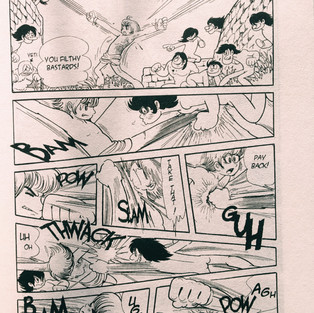


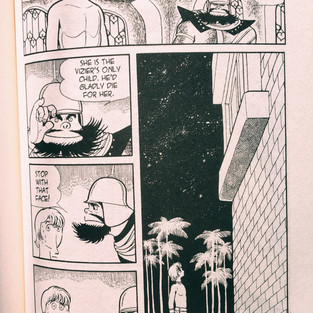


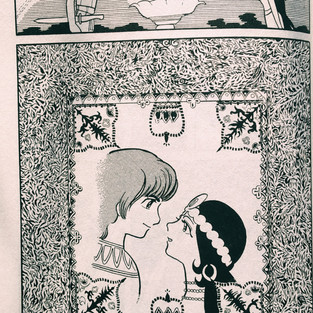


He has built up a story with a subtle touch of dark humour and magic realism that paints a vivid picture of the sheer graveness of caste discrimination, oppressive upper caste exploiting the lower castes and the poor in the name of religion. He deftly portrays the constant power and class struggle that was abundant, like sycophants, in the later Vedic period and is still evident in the present time. The modern dialect of the novel makes it stand out even more. It feels like even though you are reading something of a distant time, it's essence, primarily, touches upon the present-day social situation of India.


Thank you...all of you, for taking out your precious time to read this!!!🖤 This means a lot 😃😃
Amazing.
C'est une bonne lecture. Charmcaster
What a collection.Great. Sending lots of love..
Woow